



If your childhood dream was to become an email infrastructure engineer, use Amazon SES. If your idea of self care involves configuring CloudWatch alarms, building IP warm-up schedules from scratch, or trying to decode bounce logs, use Amazon SES. If you would rather spend A LOT of time to save a little money, use Amazon SES.
No? Then you ought to use literally anything else. And by anything else, I mean use...
BENTO, THE ARTISANAL EMAIL SERVICE PROVIDER WITH END-TO-END EMAIL INFRASTRUCTURE FOR MARKETING AND TRANSACTIONAL EMAILS BUILT-IN, AND UNMATCHED CUSTOMER SUPPORT DIRECT FROM ITS FOUNDER, JESSE HANLEY.
And yeah, there are a few other options. I've included them here so this article isn't totally one-sided. Read on to find out more.
TL;DR: Quick Picks
- Bento handles deliverability infrastructure so you can focus on your product. Built-in batching controls, authentication setup, warm-up management.
- SendGrid combines transactional emails with marketing tools. Solid SDKs for every language you need.
- Postmark gets your emails delivered in seconds. They keep transactional traffic separate from marketing emails so nothing slows down.
- Mailgun works great for technical teams sending millions of emails. Detailed analytics, flexible routing, strong API.
- Resend feels like what AWS SES should have been in 2024. Clean API, TypeScript SDK, actually useful dashboard.
For more options, see best transactional email services and email deliverability tools.
Why Teams Leave Amazon SES
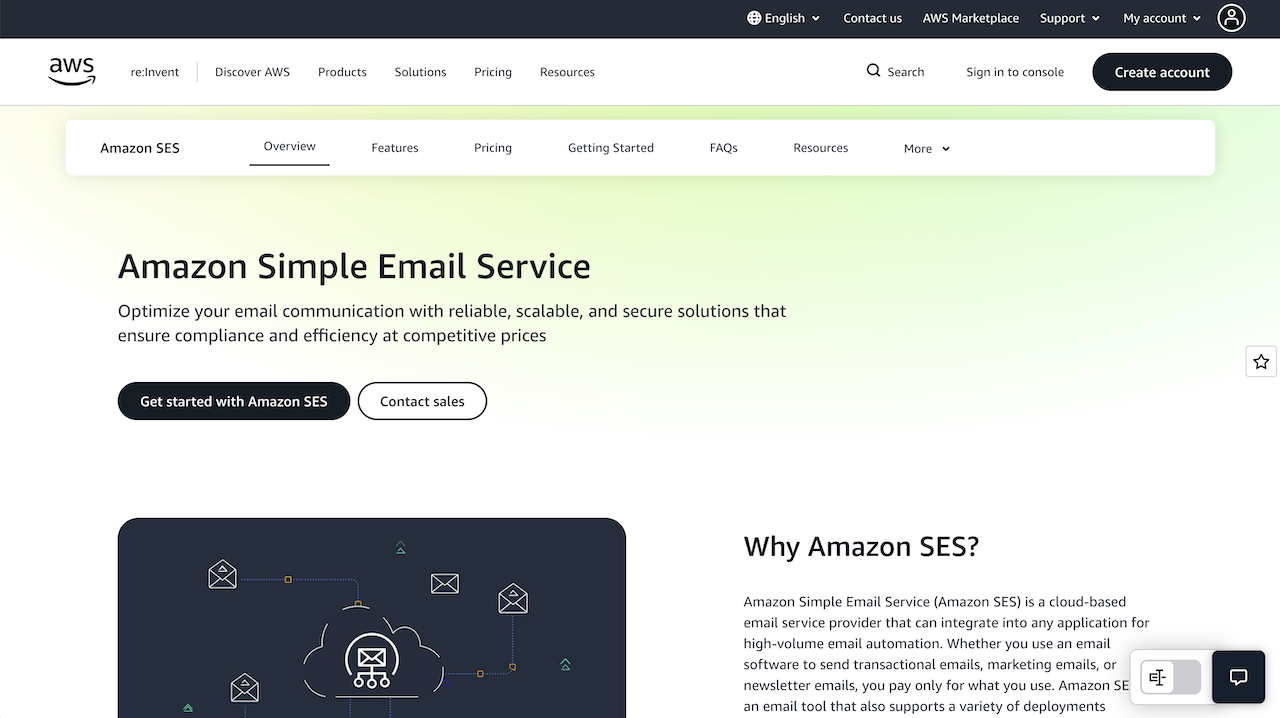
Price stops mattering when emails start failing. SES makes you set up authentication yourself. Build your own bounce processing. Create your own suppression lists. Want to see if emails are actually delivered? Time to build a dashboard or connect CloudWatch to something useful. Need to warm up IPs? Figure it out yourself. Something breaks? Hope someone answered your question in the AWS forums three years ago.
If you enjoy that kind of control, SES works great. Most teams would rather pay a bit more to get analytics that work, support that answers, and deliverability that someone else worries about.
How the Top Alternatives Compare
Bento: Deliverability-first email API

Bento treats email as a real channel, not an afterthought. You get REST and SMTP endpoints, real-time events, plus all the infrastructure pieces that actually matter. SPF, DKIM, and DMARC get configured automatically. The platform handles IP warm-up and batching so you don't blow up your reputation on day one. You only pay for emails you send, not contacts sitting in your database.
Pick Bento if you want email that just works without becoming an email expert yourself.
SendGrid: Full-service option
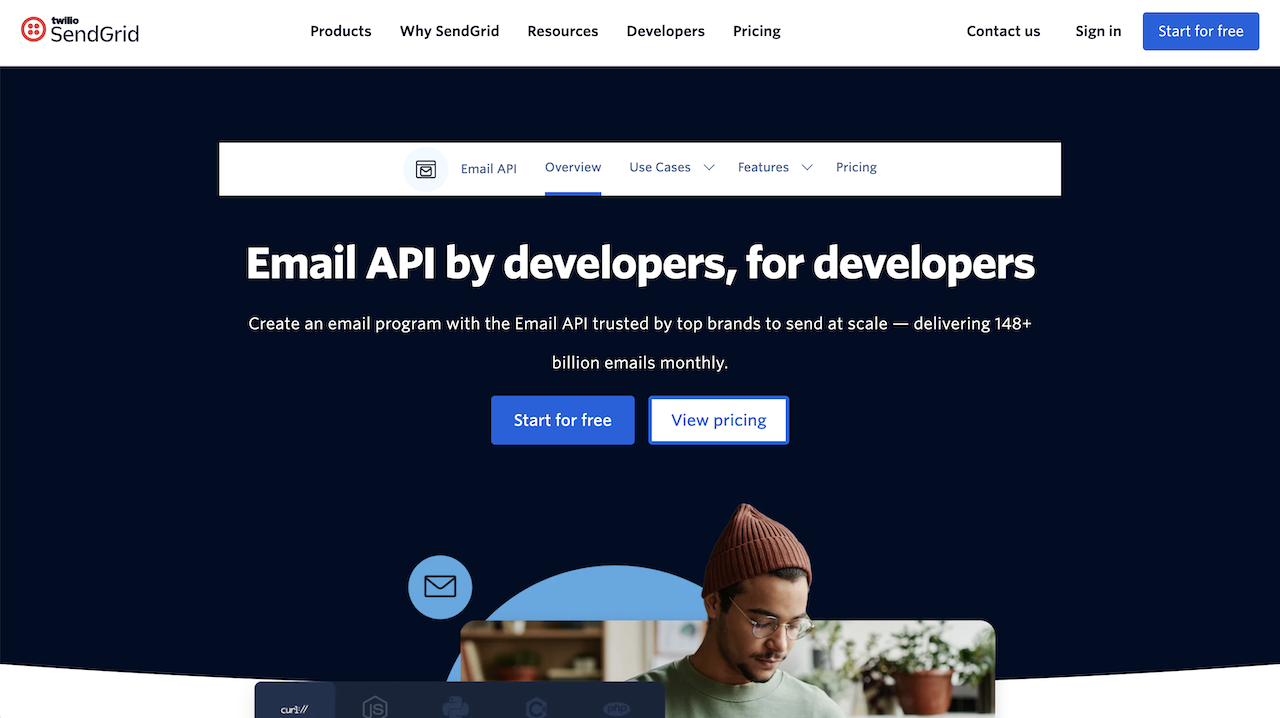
SendGrid puts transactional APIs, marketing campaigns, and templates in one place. The documentation actually helps. SDKs work in every language your team uses. You can see what's happening with your emails without writing SQL queries against CloudWatch logs. Pricing starts at $20/month. Once you factor in the time you save not debugging SES, that $20 looks pretty reasonable.
Mailgun: Built for scale
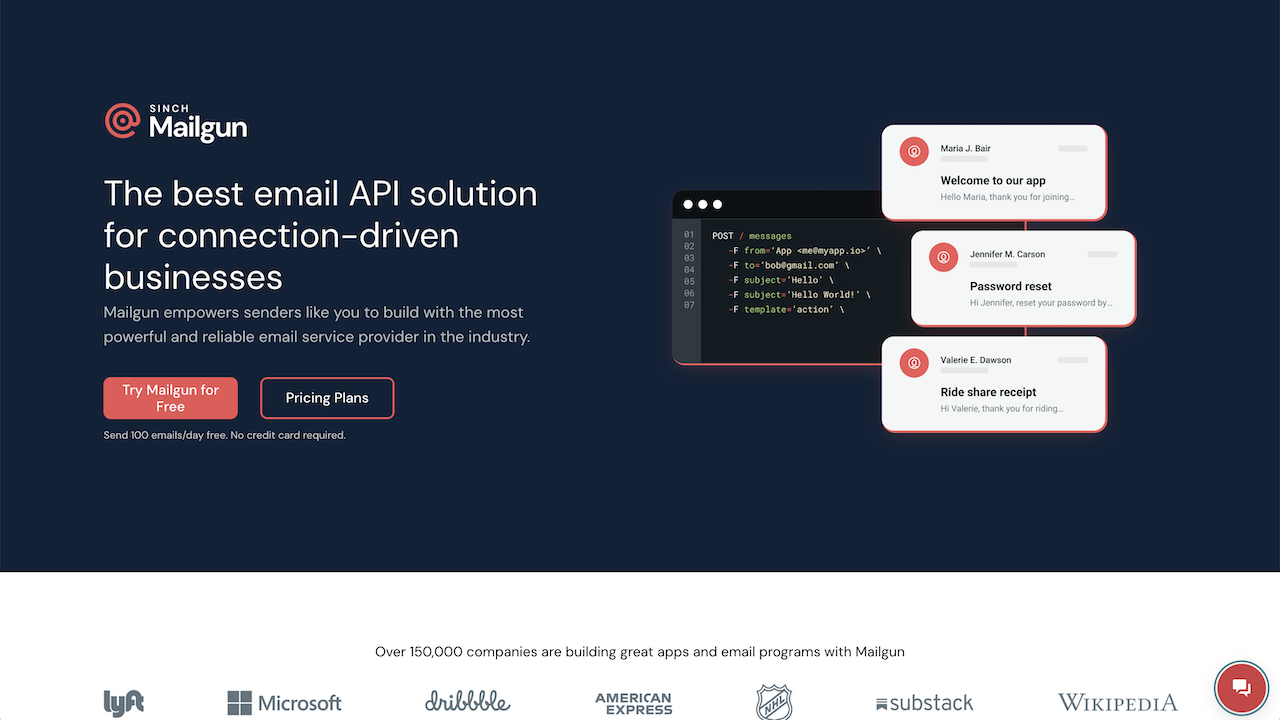
Mailgun works best for technical teams sending millions of emails who still want control. You get detailed logs that actually tell you what happened. Routing rules that make sense. Analytics you can use without a data science degree. They have real SDKs for Node, Python, PHP, Ruby, Go, and basically everything else. Pricing matches SendGrid once you're past test volumes. The difference is Mailgun gives you more knobs to turn if you need them.
Postmark: Speed above everything
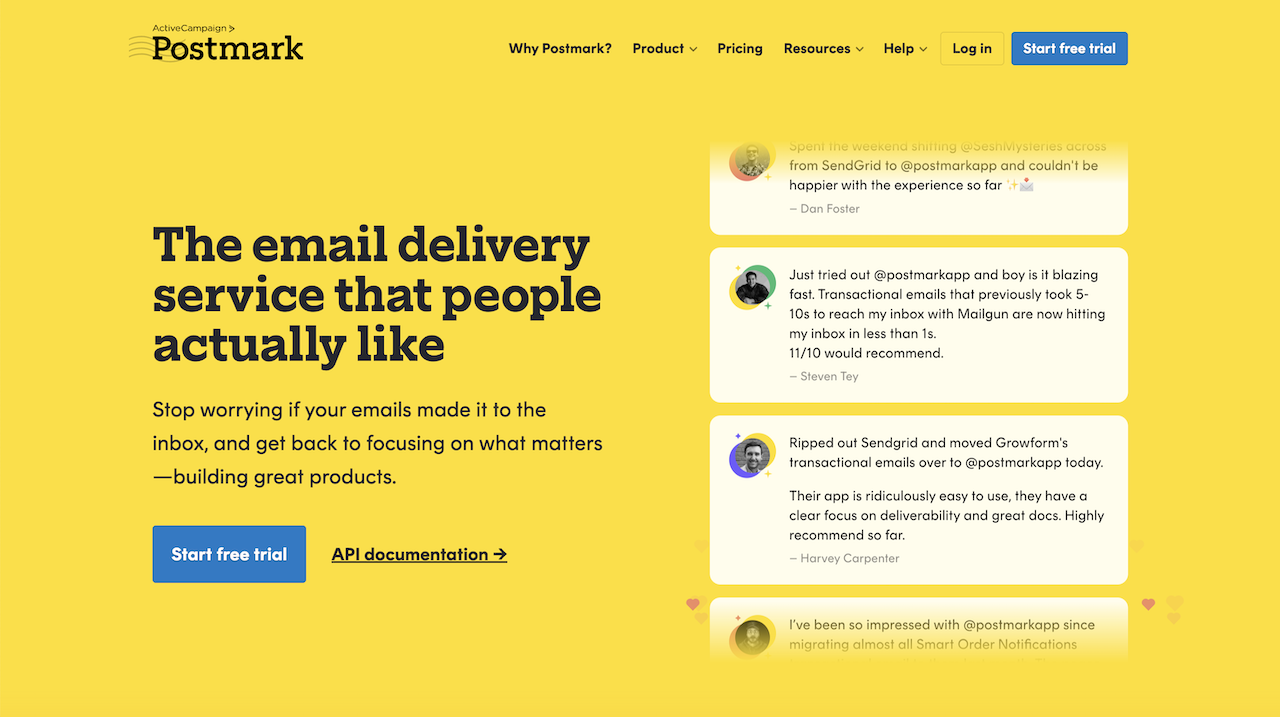
Postmark built their whole company around one idea: transactional emails should be fast. Your password resets land in seconds, not minutes. They keep marketing emails completely separate so that newsletter you sent to 50,000 people won't slow down your order confirmations. Setup takes minutes. Their libraries work. Support actually helps. Yes, it costs more than SES. But when customers are waiting for that password reset, speed matters more than saving three cents.
Resend: Modern developer experience

Resend is what happens when developers who actually send email build an email service. The API makes sense. The TypeScript SDK is first-class, not an afterthought. The dashboard shows you what you need without 47 tabs. They handle all the boring stuff like templates, webhooks, and authentication setup. You can send production emails in about 10 minutes. If you want something that feels modern instead of like 2012, Resend delivers.
When Amazon SES Still Wins
Keep using SES if you're already deep in AWS, love having total control, and saving money beats everything else. Nothing else comes close on price for huge volumes. If you have the skills to handle deliverability yourself, those savings add up. Just remember to factor in the hours you'll spend building tools and waiting for support. That cost never goes away.
Where Bento Fits
Bento works for teams who want real email infrastructure without building it themselves. You get APIs that developers like, SMTP that just works, webhooks that fire reliably, and a dashboard your marketing team can actually use. The platform handles the annoying parts: authentication setup, warming up IPs and domains, watching reputation scores, controlling send rates, and staying out of spam folders.
If you're tired of cobbling together SES with six other services but don't need a full marketing suite, Bento makes sense.
How to Choose Your Alternative
First, be honest about what you want to manage yourself. Warming up IPs takes weeks. Monitoring reputation means checking multiple postmaster tools daily. Dealing with blocklists means emailing abuse desks at 2 AM. Every task you don't want becomes a reason to pay for managed service.
Focus on features you'll actually use. That fancy AI subject line generator sounds cool in the demo. But if you're just sending password resets and order confirmations, who cares? Pick the service that does what you need today, not what you might need in three years.
Run the numbers at different volumes. Some services look cheap at 10,000 emails but get expensive fast. Others cost more upfront but include everything you'd build yourself on SES. Don't forget to add the cost of your time. Those hours debugging CloudWatch logs aren't free.
Test with real emails before you commit. Sign up for trials. Send the same emails you'd send in production. Check how fast they deliver. Try to break something and see how support responds. A service that looks perfect on paper might fall apart when you actually use it.
Want to dig deeper into specific options? Check out these guides: Email deliverability tools, Best transactional email services, and Best email API.

